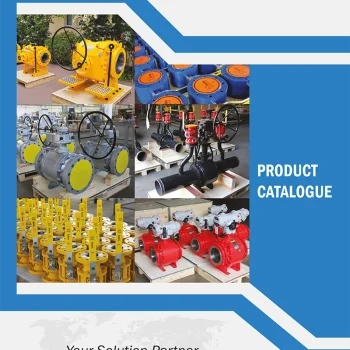
-
High performance ball valves
Jacket Ball Valve
In many industrial applications, controlling the temperature of the fluids passing through pipelines is crucial for ensuring the efficiency and safety of the system. This is where the Jacket Ball Valve comes into play.
Jacket Ball Valve
Key Technical Specifications
| Feature | Details |
|---|---|
| Dimensions | TS EN 331, TS 9809, EN 558 |
| Pressure Ratings | PN 16 – 40 |
| Temperature Range | -46 °C / +210 °C |
| Connection Types | EN 1092-1, EN 10226-1 |
| Usage Areas | Natural Gas, LPG-LNG, Fuel-Oil, Pressurized Air and Other Gases etc. |
The Ultimate Solution for Temperature-Sensitive Fluid Control
In many industrial applications, controlling the temperature of the fluids passing through pipelines is crucial for ensuring the efficiency and safety of the system. This is where the Jacket Ball Valve comes into play. Known for its unique design and ability to regulate temperature, the Jacket Ball Valve provides a reliable solution for controlling the flow of temperature-sensitive fluids, gases, and slurries. Whether in chemical processing, oil and gas, or food production, these valves are essential for maintaining the integrity of systems where temperature fluctuations could lead to undesirable effects.
In this article, we will explore the key features, advantages, and applications of the Jacket Ball Valve and explain why it’s a vital tool in industries where thermal regulation is important.
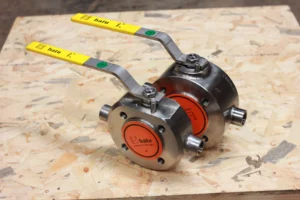
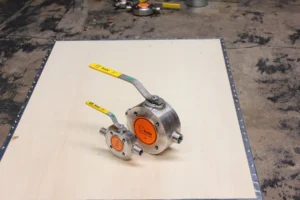
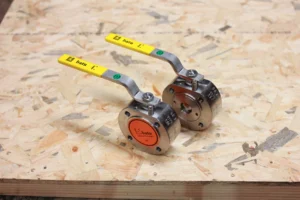
What is a Jacket Ball Valve?
A Jacket Valve is a type of ball valve that is designed with an additional jacket or outer layer around the valve body. This jacket surrounds the valve and allows the circulation of heating or cooling fluids, such as steam or hot water, through it. This thermal control mechanism helps maintain the desired temperature of the fluids passing through the valve, preventing issues like freezing, solidification, or overheating, which could otherwise cause clogging or damage to the system.
The Jacket Valve operates similarly to standard ball valves, with a spherical ball that rotates 90 degrees to either open or close the flow path. However, its unique jacket design makes it particularly useful for applications where temperature-sensitive materials need to be handled safely and efficiently.
CONTENT
Key Features of Jacket Ball Valves
- Temperature Regulation
The primary feature of the Jacket Valve is its ability to regulate temperature. By circulating a heating or cooling medium around the valve body, it maintains the fluid inside the valve at a constant, optimal temperature. This is crucial in preventing the freezing of liquids, the solidification of materials, or overheating, which could compromise the system. - Dual Functionality
The Jacket Valve serves a dual purpose: it provides flow control like any standard ball valve and also acts as a temperature control unit. This combination makes it an efficient solution for systems that require both flow regulation and temperature management in one compact component. - Durable Construction
Made from high-quality materials like stainless steel, carbon steel, or alloyed metals, the Jacket Valve is built to withstand extreme temperatures and pressures. The robust construction ensures long-lasting performance even in demanding applications, from chemical reactors to high-pressure pipelines. - Prevention of Blockages and Flow Disruption
By maintaining the temperature of fluids, the Jacket Valve helps prevent the formation of blockages or disruptions in flow caused by the freezing or solidification of certain materials. This is particularly important in the chemical, pharmaceutical, and food industries, where the flow of specific liquids or slurries must be uninterrupted. - Energy Efficiency
The ability to maintain a consistent temperature through a jacket system can lead to significant energy savings. By ensuring the fluid remains at the optimal temperature, the valve reduces the need for external heating or cooling systems, which in turn helps lower overall energy consumption. - Corrosion Resistance
Many jacketed ball valves are coated with corrosion-resistant materials, making them ideal for applications that involve aggressive or corrosive fluids. This protective layer enhances the longevity of the valve and prevents damage due to the flow of harsh substances.
Advantages of Jacket Ball Valves
- Temperature Control
The ability to manage the temperature of sensitive fluids ensures that materials remain in the optimal state for processing, reducing the risk of clogs or degradation. - Increased System Efficiency
By maintaining a consistent temperature, the Jacket Ball Valve ensures that fluid flow remains stable and uninterrupted, increasing the overall efficiency of the system. - Long Service Life
Thanks to its durable construction and resistance to thermal and chemical stress, the Jacket Ball Valve has a long service life, requiring less maintenance and reducing the need for frequent replacements. - Versatility
These valves are highly versatile and can be used in a wide range of industries, from food and beverage to pharmaceuticals, oil and gas, and chemical processing. - Cost Savings
By providing both flow and temperature control in one valve, the Jacket Ball Valve eliminates the need for additional temperature regulation systems, leading to cost savings and space efficiency. - Reliable Performance
With a leak-proof design and precision control, the Jacket Ball Valve ensures reliable and safe operation, even in critical systems that require exact temperature management.
Applications of Jacket Ball Valves
The Jacket Ball Valve is an invaluable tool in several industries where temperature-sensitive fluids or materials are processed. Some of the most common applications include:
- Chemical Processing
In the chemical industry, Jacket Ball Valves are used to control the flow of hazardous or temperature-sensitive chemicals, ensuring that the fluids remain at the desired temperature to prevent reactions, solidification, or freezing. - Oil and Gas
In the oil and gas industry, these valves are often used to regulate the temperature of crude oil, natural gas, and other fluids in pipelines or storage tanks. They help prevent the freezing of fluids in cold environments or overheating in high-pressure systems. - Food and Beverage
The Jacket Ball Valve is widely used in the food and beverage industry, particularly for handling viscous liquids, oils, syrups, or pastes that need to remain at a specific temperature for processing. These valves ensure that the flow is not interrupted by the solidification of materials. - Pharmaceuticals
In the pharmaceutical industry, maintaining the correct temperature is essential for the production of medicines and other products. The Jacket Ball Valve helps ensure that sensitive liquids, such as active ingredients, remain at an optimal temperature for processing. - Water Treatment
In water treatment plants, jacketed valves help regulate the flow of water and chemicals, ensuring the water treatment process is efficient and that no solids form due to temperature fluctuations. - HVAC Systems
In HVAC systems, Jacket Ball Valves are used to control the flow of refrigerants or heating fluids while maintaining the required temperature in heating and cooling processes. This ensures energy efficiency and optimal system performance. - Cryogenic Applications
For cryogenic systems, where extremely low temperatures are involved, the Jacket Ball Valve can be used to prevent the freezing of gases or liquids, ensuring the safe and efficient flow of cryogenic fluids.
Why Choose a Jacket Ball Valve?
If your application requires precise control of fluid temperature alongside regular flow control, the Jacket Ball Valve is the ideal solution. Its unique design allows it to manage temperature-sensitive fluids, ensuring uninterrupted flow and preventing issues like freezing or overheating. Whether you’re working in chemical processing, oil and gas, food production, or pharmaceuticals, the Jacket Ball Valve offers a reliable, efficient, and cost-effective solution for your temperature regulation needs.
By combining temperature control and flow regulation in a single valve, the Jacket Ball Valve simplifies systems, reduces equipment needs, and ensures safe, efficient operation. Investing in a Jacket Ball Valve will help you maintain optimal conditions in your fluid systems while saving on energy and maintenance costs.
Contact your supplier today to learn more about the best Jacket Ball Valve for your specific application and ensure smooth, temperature-controlled fluid flow in your operations.
Keywords Used
- Jacket Ball Valve
- Temperature Control Valve
- Ball Valve with Heating Jacket
- Flow Control with Temperature Regulation
- Industrial Jacketed Valve
- Chemical Processing Ball Valve
- Temperature-Sensitive Fluid Valve
- Cryogenic Valve
- HVAC Flow Control Valve
- Leak-Proof Jacket Ball Valve