Our Latest Article | Advancing Hydrogen Valve Technology with Additive Manufacturing

NEWS CONTENT
Latest News
Our Products
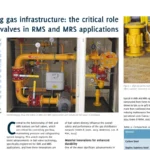
We are proud to announce that our latest article, “Advancing Hydrogen Valve Technology with Additive Manufacturing,” has been published in the December 2024 issue of Valve World Magazine. Authored by Ms. Zahra Farrokhi, this article explores how additive manufacturing (AM) is revolutionizing the design and production of hydrogen valves, making them safer, more durable, and cost-effective.
This article highlights the importance of hydrogen valve technology in enhancing safety and efficiency across various sectors.
Link: https://valve-world.net/additive-manufacturing-hydrogen-valve-design/
Summary of the Article: How Additive Manufacturing is Transforming Hydrogen Valves
By understanding hydrogen valve technology, industries can significantly improve operational performance.
The Growing Importance of Hydrogen Valves
The ongoing development of hydrogen valve technology is pivotal for cleaner energy solutions.
As industries transition towards cleaner energy sources, hydrogen storage, transportation, and distribution have become critical. However, traditional hydrogen valve designs face several challenges, including:
❌ Hydrogen embrittlement, which weakens materials over time.
❌ Leakage risks, compromising safety and efficiency.
❌ Complex internal geometries, making precision manufacturing difficult.
Emerging challenges highlight the necessity of advanced hydrogen valve technology in the market.
To address these issues, the industry is turning to additive manufacturing (AM), also known as 3D printing, to create stronger, more efficient, and leak-proof hydrogen valves.
Implementing cutting-edge hydrogen valve technology can lead to substantial improvements in reliability.
Why Additive Manufacturing is a Game-Changer for Hydrogen Valves
Additive manufacturing enables engineers to produce hydrogen valves with complex internal structures, improving their performance, strength, and efficiency. The key advantages include:
✔ Increased material strength – 30% higher tensile strength, enhancing durability.
✔ Weight reduction – 25% lighter valves, reducing transportation and installation costs.
✔ Faster production – 35% shorter production times compared to traditional methods.
✔ Lower lifecycle costs – 20% savings due to reduced maintenance and replacement needs.
✔ Leakage prevention – Advanced seal integration reduces hydrogen leaks, ensuring safety.
| Advantage | Impact on Hydrogen Valves |
|---|---|
| Higher Strength | 30% increase in tensile strength, improving pressure resistance. |
| Weight Reduction | 25% lighter valves, lowering transportation and handling costs. |
| Faster Production | 35% reduction in production time, accelerating market readiness. |
| Cost Savings | 20% lower lifecycle costs, reducing long-term expenses. |
| Leak Prevention | Better sealing technology, minimizing hydrogen leaks. |
Case Study: Improving Hydrogen Valve Durability with Additive Manufacturing
-Industry: Hydrogen Storage & Transportation
-Challenge: Traditional stainless steel valves failed frequently due to hydrogen embrittlement and fatigue.
-Solution: The manufacturer adopted additive manufacturing to create custom hydrogen-resistant alloy valves.
This case demonstrates the effective application of hydrogen valve technology in real-world scenarios.
Key Results:
✅ 50% reduction in failure rates over 12 months.
✅ 40% higher resistance to hydrogen embrittlement, extending valve lifespan.
✅ 25% lower total cost of ownership, despite higher initial investment.
✅ 30% less material waste, supporting sustainability initiatives.
These results highlight the transformative power of hydrogen valve technology in improving safety.
Conclusion: Additive manufacturing enabled the production of stronger, more durable hydrogen valves, significantly improving performance while reducing costs and environmental impact.
As we move forward, hydrogen valve technology will continue to shape the industry landscape.
Industry Applications: Where Additive Manufacturing is Making an Impact
Recognising the potential of hydrogen valve technology is essential for future advancements.
AM-produced hydrogen valves are now widely used in various industries, including:
-Energy Sector – Hydrogen production, storage, and distribution.
-Automotive Industry – Lightweight hydrogen fuel cell vehicle components.
-Chemical Processing – Handling high-purity hydrogen in industrial applications.
| Industry | How AM-Produced Hydrogen Valves Help |
| Energy Sector | Safer, more reliable hydrogen storage and transportation. |
| Automotive | Lightweight valves improve fuel cell vehicle efficiency. |
| Chemical Processing | Leak-proof valves ensure safe hydrogen handling. |
Why Additive Manufacturing is the Future of Hydrogen Valves
New materials – Advanced alloys specifically designed for hydrogen resistance.
Better sealing technologies – Reduced risk of leakage and gas loss.
Sustainability benefits – 30% less material waste, supporting a cleaner energy transition.
The integration of hydrogen valve technology into operations can drive sustainability efforts.
As hydrogen adoption grows, additive manufacturing will play a critical role in producing the next generation of hydrogen valves, ensuring safety, efficiency, and cost savings.
Hydrogen valve technology is paramount in meeting the rising demands for cleaner energy solutions.
Read the Full Article in Valve World Magazine!
This article provides a comprehensive look at advancements in hydrogen valve technology.
For a detailed analysis of how Batu Valve is leading hydrogen valve innovation, check out our full article in the December 2024 issue of Valve World Magazine.
Link: https://viewer.joomag.com/valve-world-magazine-december-2024/
-Have questions? Want to discuss how our hydrogen valves can optimize your operations?
Contact us to explore how hydrogen valve technology can enhance your operational capabilities.
-Email: export@batusan.com
-Website: www.batuvalve.com